The stone that gave us our name
In April 2019, a rough diamond weighing 1,758 carats came out of the Karowe mine in Botswana. It was about the size of a tennis ball and coated in a thin layer of black carbon, so its color and quality were anyone's guess. Only one larger rough diamond had ever been recorded at the time: the 3,106 carat Cullinan, found in South Africa in 1905, later cut into nine principal stones and nearly a hundred smaller ones, several of which sit in the British crown jewels.
Karowe has a habit of producing giants. The 1,111 carat Lesedi La Rona came out of the same pit a few years earlier and sold to the British jeweler Graff for 53 million dollars. Even against that record, the new stone stood apart. Diamonds are usually judged the moment they surface. This one kept its secret under the carbon.
A name chosen by a country
Lucara Diamond, the company that runs Karowe, did not name the stone in a boardroom. It opened a public naming competition across Botswana and about 22,000 entries came back. The winning name was announced in July 2019 at a ceremony attended by the country's president: Sewelô. In Setswana, the most widely spoken language in Botswana, it means rare find.
That detail is easy to skim past and worth sitting with. The largest diamond in the country's history was named by the public, before anyone knew exactly what the carbon coat was hiding.
From Botswana to Paris
In January 2020, Louis Vuitton acquired the stone for an undisclosed sum. The house brought in HB, a diamond manufacturer in Antwerp, to study the rough and plan the cut, and a share of proceeds was committed to community projects in Botswana. Even the planning was expected to take about a year. Reading a stone like that is slow work, because under the carbon its color and quality still had to be mapped before anyone could decide what it should become.
Why a perfume house borrowed the name
We make fragrance, not jewelry, and we never touched the stone. What we took from it was the idea. A rare find can come out of the ground looking like a lump of carbon and turn out to hold something remarkable. A fragrance that truly fits you works on the same logic. It is rare and it takes patience to find. From the outside it looks like every other bottle on the shelf. On your skin it becomes the scent people know you by, and nobody else gets that exact version.
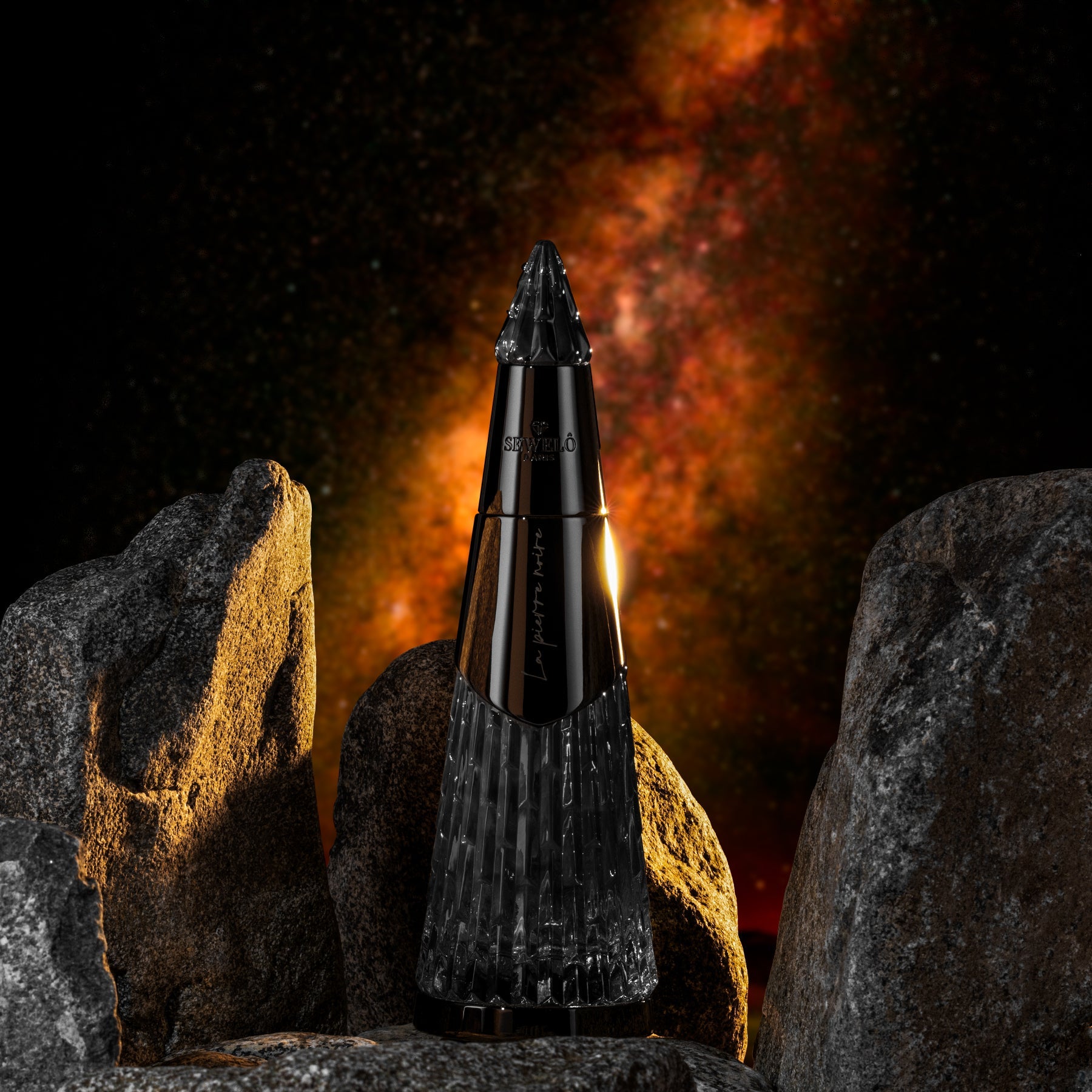
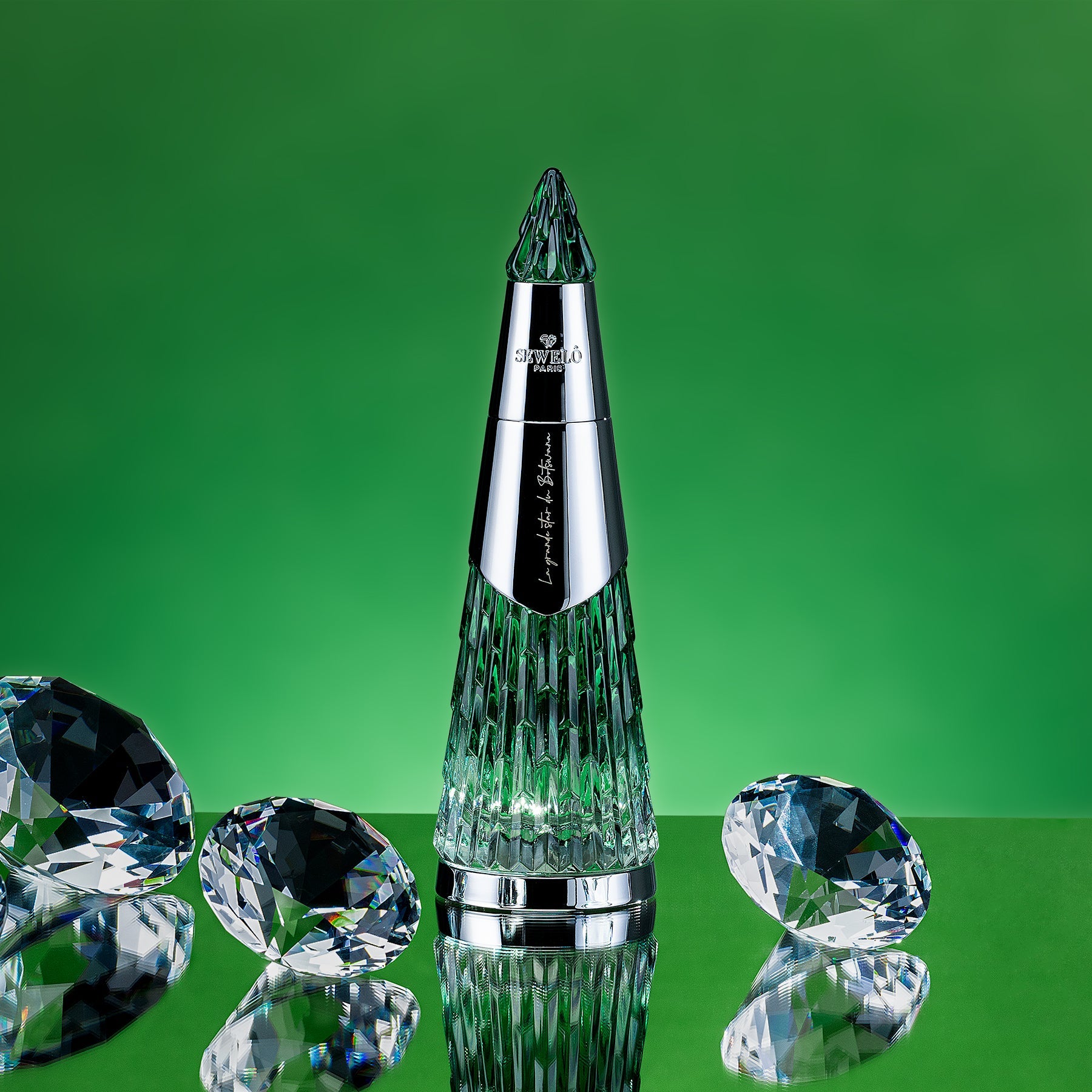
That thought carries the whole line. In 2023 we released five fragrances, each a 105 ml unisex Eau de Parfum, each in a glass bottle cut to feel like the rough stone rather than the polished one. The polishing, as we see it, happens on skin.
If you want to know what that means in practice, read about how skin chemistry changes a fragrance, or start with the story of the house.

Written by Sewelo Perfumes