Article: Why the same fragrance smells different on everyone
Why the same fragrance smells different on everyone
You smell a perfume on a friend and it is warm and soft. You buy it, wear it and get something sharper and thinner that is gone by lunch. Nothing went wrong with the bottle. The difference is you.
The bottle is only the starting point
Inside the bottle, a perfume is a fixed formula. The moment it lands on skin it stops behaving like one. Your skin has its own warmth, its own oil level, its own acidity and its own mix of harmless bacteria, and together they decide how the formula lifts off and what it smells like an arm's length away. Perfumers can compose the accord. They cannot compose the skin it lands on.
To be precise about it, your skin is not rewriting the formula. It changes the release: which materials evaporate first, how fast they go and what they mix with on the way up. Small differences at the surface add up to a noticeably different perfume by the second hour.
What actually changes it
- Warmth. Warm skin pushes a fragrance out faster, so the opening feels bigger and the whole arc runs quicker. Cooler skin holds it back and stretches it out.
- Oil. Fragrance clings to oil. Skin that runs oily tends to hold a scent longer, while dry skin lets it fade sooner.
- Acidity. Skin sits on the slightly acidic side, and small shifts in that balance can sharpen some notes and soften others.
- Everything else. Diet, hormones, stress, skincare and even hard water can nudge skin chemistry from one week to the next, which is why a perfume you have worn for years can suddenly read a little differently.
The idea our house is built on
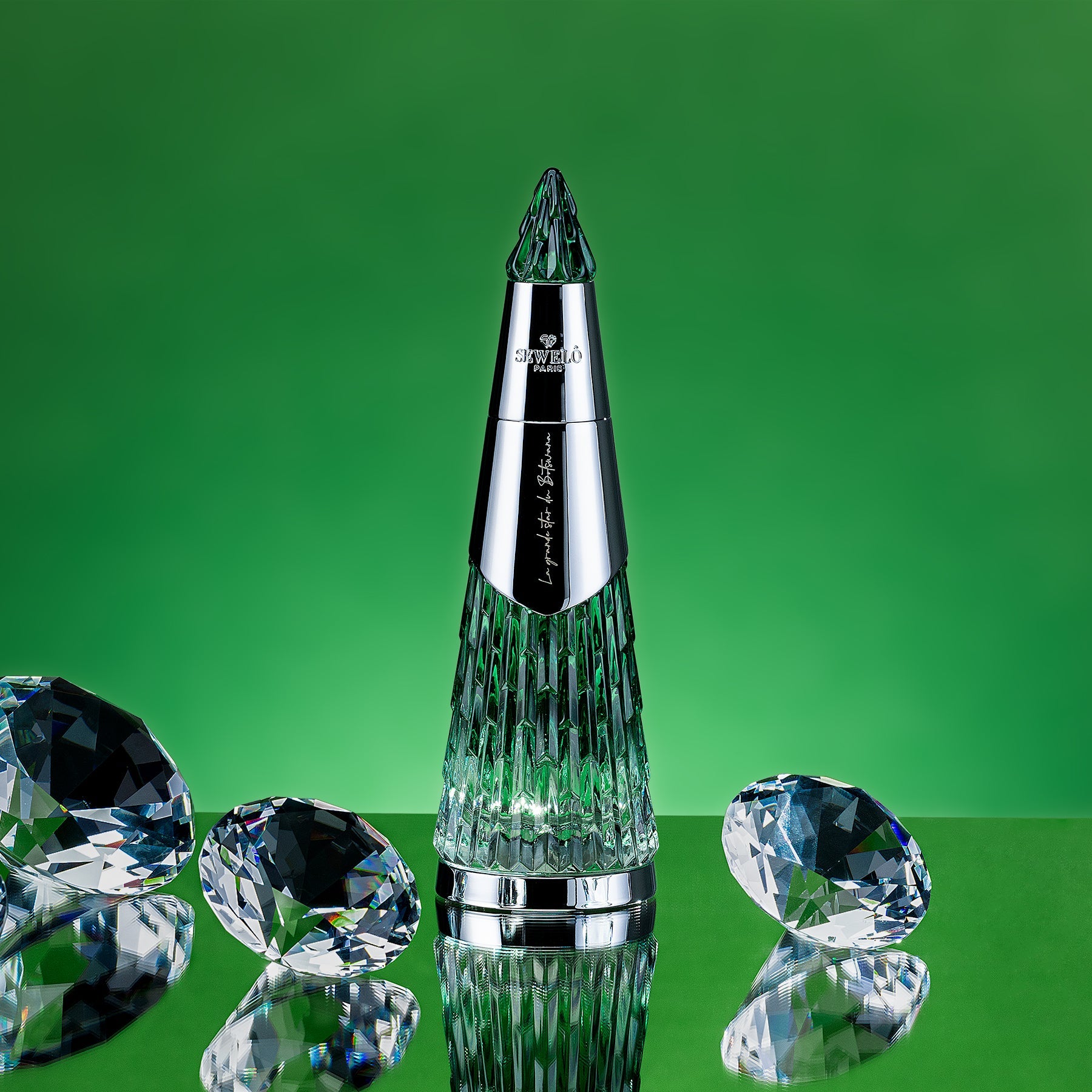
Sewelô Paris exists because of this exact effect. The founding idea of the house is that a fragrance reacts to your skin chemistry the way a diamond reacts to your skin tone. The stone stays the same and still reflects differently on everyone who wears it. We named ourselves after a 1,758 carat rough diamond for that reason, and we treat the version of a fragrance that develops on your skin as the finished work. The bottle only holds the raw material.
How to test a fragrance properly
Given all of the above, a paper strip can only tell you so much. It has no warmth and no oil, so it plays back the formula rather than the fragrance you would actually wear. A few habits make testing far more reliable.
- Spray it on skin, the inside of a wrist or a forearm, and let it dry on its own rather than rubbing it in.
- Judge it at hour three, not minute three. The opening is the loudest and least loyal part of any perfume. The drydown is what you actually live with.
- Wear it through a normal day before you commit to a full bottle.
- If your skin runs dry, an unscented moisturizer on the spot before you spray gives the fragrance a base to hold onto.
All five of our fragrances are unisex Eau de Parfum compositions, a concentration built to develop slowly rather than shout early. If you are choosing a first bottle, our guide to the five covers where each one leans, and the full collection is there when you are ready to test on skin.

Written by Sewelo Perfumes